
Approve a wholesale moissanite necklace sample by comparing it with a written specification, recording what you actually received, and resolving differences before placing the production order. Keep the approved sample and tie it to a dated version of the order specification. A message saying “sample looks good” leaves too much room for disagreement about chain length, finish, stone dimensions, and permitted substitutions.
This process can be simple enough for a small store. You need a clear product reference, basic measuring tools, photographs, and a written record of decisions. The purpose is to establish what the next order should match and which details still need verification. One attractive sample is a starting point for that agreement.
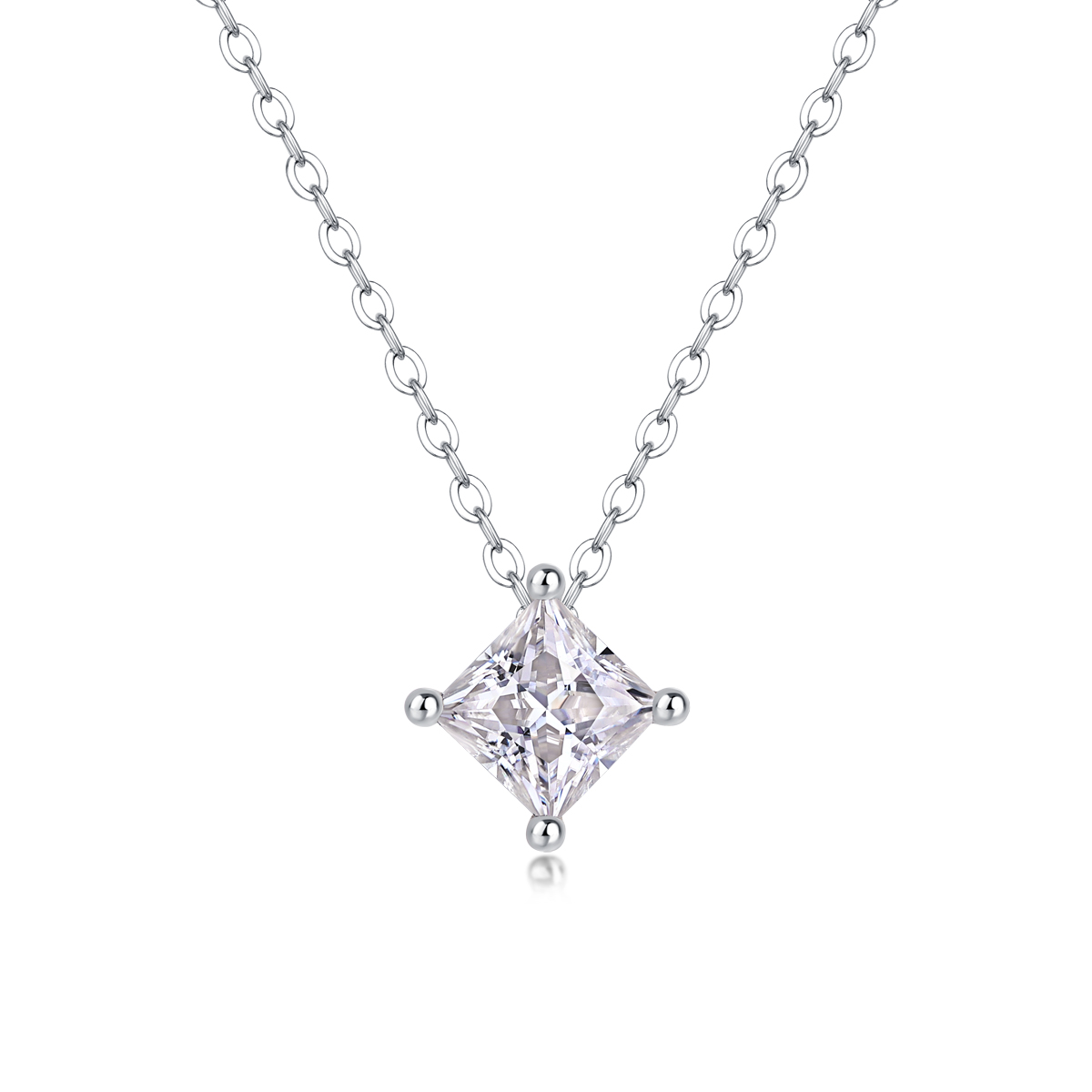
Define What the Sample Is Supposed to Represent
Ask whether you are receiving an existing stock piece, a prototype, or a pre-production sample made to your proposed specification. Those samples answer different questions. A stock necklace can help you judge a style and general workmanship, but a custom chain or different plating may need another check. A prototype may intentionally have temporary components that will change before production.
List those differences before reviewing the sample. Identify which features are final and which are provisional. If the supplier sends a pendant in the wrong metal color to demonstrate its shape, record that limitation. You can approve the shape while leaving the final finish pending. Avoid an overall approval that makes an unfinished detail appear settled.
Give the sample a reference you can use in later messages. Include the supplier’s SKU, your internal reference, received date, and the specification version used for comparison. For several variants, label each physical sample separately. A chain packed beside two similar pendants can easily be associated with the wrong reference if the pieces are separated during photography or display testing.
Write the Specification Before Inspecting the Piece
| Item | What matters | Confirm before proceeding |
|---|---|---|
| Stone and setting | Dimensions, count, mount profile, and placement | Photos from the front, side, and back |
| Chain and clasp | Pattern, construction, wearable length, end fittings | Measurements and a fastening check |
| Metal and finish | Specified base metal, coating, and appearance | Written specification and agreed verification |
| Approval status | Accepted details, unresolved points, and revisions | Dated approval record tied to the sample |
Record the moissanite stone dimensions in millimeters, stone shape, and count. Include any quoted color or clarity descriptions, while keeping the underlying documentation available. If the supplier uses diamond-equivalent weight in marketing, ask for the actual dimensions and make sure everyone understands what the weight description represents. You need comparable specifications to evaluate a replacement or repeat order.
Describe the setting, pendant dimensions, bail opening, chain pattern, chain construction, finished length, clasp, and extender. Specify whether a quoted length includes the extender and how the complete necklace weight will be measured. A pendant-only weight and a necklace weight including chain and clasp are different quantities. Label them clearly in the approval record.
Identify the base metal and the surface finish separately. For example, a request for a gold-colored necklace should establish what material lies beneath the coating. The FTC’s precious-metal buying guidance explains that sterling silver contains 92.5 percent silver and distinguishes it from silver-plated products. Use those material terms accurately in the specification and later product descriptions.
Record the Sample as Received
Photograph the packaging, label, pendant front, side, back, and clasp area before extended handling. Use a plain background and consistent light. Add a scale or ruler to separate measurement photographs. Keep unedited originals, since heavy sharpening and color adjustments can hide the very details you are trying to compare.
Measure the features listed in the specification using appropriate tools and a consistent method. For wearable chain length, define where the measurement starts and ends. For a pendant, distinguish total length including the bail from the length of the decorative body. If you cannot measure a stone accurately in its setting, ask the supplier to confirm the loose-stone dimensions rather than presenting an uncertain reading as exact.
Record the tool and the observation without overstating precision. A basic ruler can establish approximate overall dimensions, but it cannot reliably resolve a tiny difference in stone diameter. Where a dimension matters to compatibility or merchandising, agree with the supplier on the measurement method and tolerance. Keep both the specified value and your observed result so the next discussion has a concrete reference.
Check the Setting, Finish, and Wearable Assembly
Inspect the pendant from several angles. Look for consistent stone placement, obvious gaps at retaining points, uneven surfaces, and rough edges on the back. Move the piece gently during normal handling and set it aside if a stone appears loose. A visual sample review can identify concerns that require a jeweler’s attention. It does not replace professional assessment of a questionable setting.
Next check the finish under ordinary light as well as under the lighting used in your store. Compare the chain and pendant together. A color difference between those components may be difficult to see in separate product photographs. Examine accessible edges, the bail, and the clasp for visibly uneven coverage or roughness. Record the location of a concern with a close photograph and a wider view that shows where it occurs.
Thread the finished chain through the pendant if the design is intended to be removable. Confirm that the complete end fitting passes through and that the pendant moves freely. Operate the clasp and try each adjustment point. Put the necklace on a neck form or try it as appropriate for your sample handling process. Note whether the pendant faces forward and whether the intended wearable length matches your display plan.
For more detail on compatibility, use our chain selection guide for moissanite pendants. A chain with the correct nominal width can still have an end fitting that does not pass through a particular bail. Approve the finished combination, including the components that customers will handle.
Separate Observations From Material Verification
Some checks require more than photographs and household tools. You cannot establish metal fineness, plating thickness, or gemstone identity from appearance alone. Decide which supplier documentation or independent testing is appropriate for your order and the claims you plan to make. Ask who will perform the test, what it measures, and how the result is linked to the sample or batch.
Do not treat a stamp as a complete quality report. It is one piece of product information. Likewise, a handheld tester reading should not be presented as proof of every property described in a listing. If a material claim is important to your assortment, arrange verification that addresses that specific claim. Keep the report and the corresponding product reference together.
For a plated finish, ask what is specified about the coating and what evidence supports any thickness or durability statement. A sample that looks good on arrival cannot establish how every customer’s piece will wear over time. If the supplier proposes a wear test, agree on the method, conditions, and interpretation before using its result. Avoid turning an informal trial into an unsupported lifetime promise.
Classify the Decision and Close Open Points
Use a short decision record with one of three clear outcomes. You can approve the sample to the documented specification, approve selected features while requiring stated revisions, or withhold approval pending another sample. Put the unresolved details next to the decision so neither side has to reconstruct them from a long message history.
Describe each requested change in observable terms. For example, identify a target wearable length and how it is measured instead of asking for “a little longer.” For a rough area, attach a marked photograph and ask for the finishing issue to be corrected on a revised sample. If the change affects the design, price, or lead time, have those effects confirmed before accepting the revision.
Be explicit about which changes need another physical sample. A different clasp, bail opening, or chain construction can alter how the complete piece works. A supplier may be able to document a minor labeling correction with photographs, while a material or fit change may justify examining the revised necklace in hand. Choose the evidence according to what the change affects.
Connect Approval to the Purchase Order
Reference the approved sample and specification version in the order. Include the agreed quantity, variants, packaging, lead time, inspection arrangements, and how discrepancies will be handled. Define which substitutions need approval. A chain that looks similar may have a different construction or end fitting, and a plating change may affect both color and product descriptions.
Keep your approved sample protected and labeled for comparison when the shipment arrives. Ask whether the supplier will retain a matching reference. Store the photographs and decision record with the order rather than in a personal chat thread that another team member cannot access. This makes it easier to handle reorders when the original buyer is unavailable.
Sample approval and shipment inspection serve different stages. You still need to check that delivered goods match the agreement. Our guide to sourcing wholesale moissanite necklaces places samples within the broader supplier discussion. When comparing offers, our necklace pricing guide helps identify which components must remain comparable.
Prepare a Clear Sample Inquiry
Before contacting a supplier, collect the style reference, stone dimensions, metal and finish, chain details, intended lengths, and quantities you are considering. Say which sample features you want to evaluate first and which points you need the supplier to clarify. Ask about the sample charge, shipping, expected timing, and whether a revision would be charged separately.
For a Cristiera inquiry, start with a style from the moissanite necklace collection and provide those details through the site contact route. Ask what sample and customization options are available for that exact style. Availability, costs, and production arrangements should be confirmed for the request rather than assumed from a reference photograph.
A useful approval record should let a second person identify the sample, understand the accepted specification, and see every remaining action. If it can do those three things, you have a practical reference for placing the order and reviewing the delivery.
Frequently Asked Questions
Is one sample enough to approve a wholesale necklace order?
One sample can establish a reference for a specific configuration, but it cannot demonstrate consistency across an entire batch. Consider additional variants or samples where construction, finish, or risk differs, and agree on shipment inspection separately.
What should I check first when a necklace sample arrives?
Confirm its identity and the specification it represents. Photograph it as received, then check dimensions, chain and pendant compatibility, clasp operation, visible finishing, and any points that require specialist assessment or documentation.
Can I approve a sample from photographs alone?
Photographs can support decisions about certain visible details. They cannot establish how the necklace feels, whether an end fitting passes through the bail, or every material property. State what remains unverified if you proceed with a limited approval.
What if I like the pendant but want a different chain?
Record the pendant approval separately from the chain revision. Specify the replacement chain and confirm the fit of the finished combination. Ask whether the new chain changes the price, weight, wearable length, or delivery schedule.
Does sample approval guarantee that the shipment will match?
Approval establishes the reference and agreement for comparison. It does not replace inspection of delivered goods. Include specifications, substitution rules, and discrepancy handling in the order so any differences can be evaluated against a clear record.
Should I keep the approved physical sample?
Keep it labeled and protected if possible, with the specification version and approval date. It is useful for delivery checks and future reorders. Retain photographs and records as well so the reference remains understandable to other team members.