
Before approving a gold-tone finish on a wholesale silver necklace, put the pendant, chain, clasp and extender beside one another under the same light. Ask the supplier to identify which physical sample will govern the order, then record what has been approved: appearance, material specification or both. An attractive photograph can help you choose a direction. It cannot serve as the only color standard for a reorder six months later, especially when different people supply the chain and the pendant.
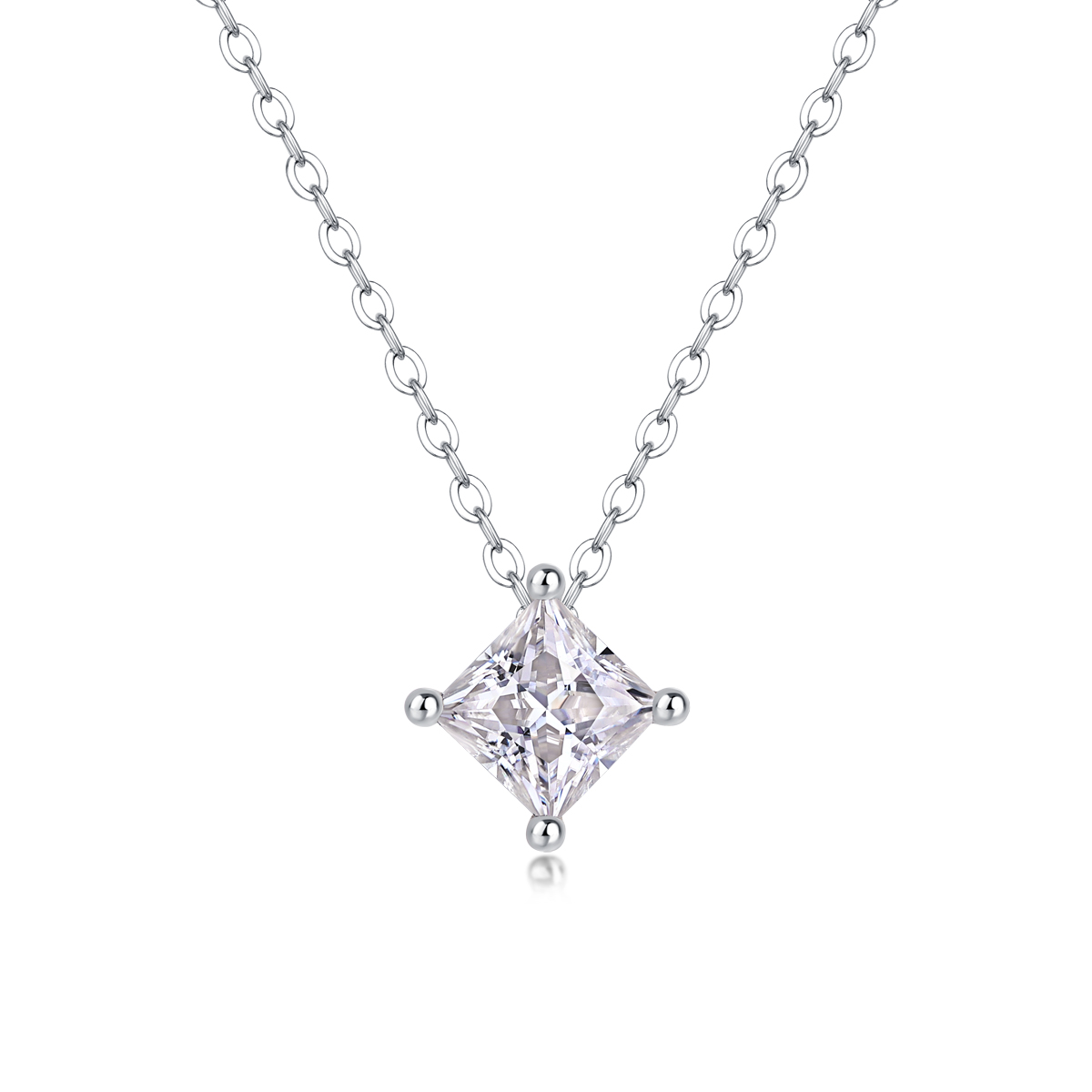
Define what the buyer means by gold tone
Start with the intended appearance in the store. Does the buyer want a pale yellow that sits quietly beside a colorless stone, a richer yellow that outlines the pendant, or a slightly warm tone intended to match an existing collection? Terms such as champagne, soft gold and classic yellow can start a conversation. They need a reference before they can close one. Give the workshop an identified physical example where possible and explain whether the chain, pendant or another piece in the collection is the primary reference.
For a finish change or branded presentation, include the approved reference and order quantity in your jewelry customization inquiry.
Describe the finish layer and the base material separately. Gold tone says something about the intended appearance. It does not, on its own, identify the coating composition, gold fineness, coating thickness or metal beneath it. Ask the supplier what it proposes for each component and what documentation supports the descriptions you intend to use. Keep a separate field for the visible surface treatment, such as polished or brushed. The same nominal color can appear different on those two textures.
If part of the necklace intentionally has a different appearance, mark it before review. A bright white setting around the moissanite on an otherwise yellow necklace may be a deliberate design. So might a contrasting clasp tag carrying a brand mark. Without a marked photograph, receiving staff may reject exactly the contrast the buyer approved. Give the supplier and your receiver the same annotated view, with each intentional exception identified by part and position.
Build a small physical reference set
Ask for one complete necklace made with the proposed production components. A flat swatch can be helpful for comparing alternative colors, but it does not reproduce the reflections from a curved clasp or a fine chain. If you approve an early color from a swatch, call it a direction approval and require a complete assembled sample before bulk release. State which design, chain length and component references the sample represents. Keep the identifying label with the sample without putting adhesive on the jewelry.
Consider a store launching a family of three pendants on the same chain. The first pendant has a broad polished frame, the second has narrow prongs and the third has a textured reverse face. One chain sample can establish a common reference. It cannot settle whether all three heads give the intended impression once assembled. Ask to see the broadest polished surface and the most visibly different texture alongside the chain. Use the complete collection sample where a close match is central to the sale.
Decide who keeps the reference. If both buyer and supplier retain a sample, review them together before separating them and record which one controls if a disagreement arises. Keep the buyer’s reference away from the sales floor so it remains available for comparison. A display necklace worn during photo shoots, passed between staff and polished repeatedly can gradually become a different reference from the one the workshop retained. Record any replacement of the reference sample just as carefully as its original approval.
Compare color under repeatable conditions
Clear a small space near a neutral background and use the same light source for both samples. Put the proposed necklace and reference in the same orientation, then reverse their positions. Tilt them together so bright highlights move across equivalent areas. If the apparent color difference follows the left side of the table, investigate lighting or reflected surroundings before rejecting the piece. If the same component still stands apart after the positions change, note exactly where and under which light you saw it.
Use another setting relevant to sales, such as the actual showroom lighting, after making the first comparison. A necklace that matches satisfactorily on the receiving bench may make a different impression against your usual display bust. Decide in advance how you will handle observations made in those two places. The approval standard should be explicit enough that a receiver need not guess whether a store display preference overrides the agreed production reference.
Photographs are most informative when both pieces appear in the same frame, with the background, angle and exposure held as consistent as practical. Ask for a whole-necklace image and a detail showing the chain touching or lying beside the pendant edge. Avoid comparing a close-up sent from one supplier’s phone with an edited campaign shot from a different shoot. If remote review is necessary, identify what remains provisional until you receive the physical sample. Screens make convenient records of layout; they are imperfect substitutes for the objects.
Inspect components in the order customers notice them
Begin at the face of the pendant, then follow the chain outward along both sides. The center is where shoppers may notice a mismatch first, particularly when a broad bail sits next to fine moving links. Move on to the jump rings, clasp, extender and end tag. Inspect them with the necklace laid out and then arranged as it will sit in the box. A clasp that lives behind the neck during wear may sit directly beside the pendant in the opening retail presentation.
| Component | What to compare | Useful approval record |
|---|---|---|
| Pendant and bail | Broad face, side and adjacent chain | Paired front and angled photos with reference |
| Chain | Both ends and visible length | Chain supplier reference and finish designation |
| Clasp and extender | Body, joining rings and tag | Close view with exceptions marked |
| Complete unit | Necklace arranged as sold | Dated physical approval sample |
Distinguish a difference in color from a difference in reflection. A curved clasp can show a narrow bright stripe while a flat tag looks warmer because it reflects a larger area of the room. Rotate each part through the same light before describing the defect. Write “extender tag appears redder than retained sample under receiving lamp after swapping positions” rather than “gold looks wrong.” The first statement tells the workshop which component to investigate and gives both sides a comparison they can repeat.
Give the sample a precise approval status
A short approval note can do a great deal of work. For example: “Appearance approved for sample N14 revision B. Match the pendant, chain and clasp to the retained sample under the agreed inspection light. Keep the setting around the stone white as marked. This approval covers visual appearance of the assembled necklace. Please confirm the component specifications on the attached order sheet and advise before substituting any chain or clasp.” Replace all identifiers and conditions with your own agreed terms.
If the buyer also needs a particular coating specification, record it separately and agree on suitable evidence with the supplier. A visual match cannot establish thickness, composition or wear performance. A supplier document for one part may not cover components bought elsewhere. Ask which parts it covers and how the reference relates to the delivered batch. Do the same for any durability claim you plan to print on product cards. Color approval and support for marketing claims answer different questions.
Avoid inventing a numerical tolerance merely because a spreadsheet has a blank field. If both parties use instrumental color measurement, agree on the method, measured surface and decision rule with people qualified to interpret it. On a small curved part, the reference area itself may be difficult to define. A practical visual standard with a retained sample and a documented decision path can be preferable to an impressive number that neither receiver nor supplier can reproduce.
Receive the first shipment and protect the reorder
At receiving, keep the order line, sample identifier and batch information together. Inspect a selection agreed with the supplier across the delivery rather than judging every carton by the necklace sitting on top of the first one. If a component differs, isolate the affected pieces and document the variant, carton and visible difference. Find out whether the issue follows a specific chain batch, clasp type or pendant model before deciding how to handle the rest of the order.
For a reorder, send the original approval reference with the requested quantity and ask whether all components and finishing arrangements are still available. If the original clasp is discontinued, request a revised assembled sample or a focused comparison appropriate to the change. Check the look in the gift box as well as on the wrist or neck of a display form. A lower-priced substitute can create extra photography or relabeling work even when it performs its mechanical job perfectly.
When choosing necklaces for a wholesale assortment, connect finish approval to the exact style, variant and retail image you intend to use. That lets a buyer reorder the same appearance and lets the person writing product descriptions identify which claims have supporting records. It also gives a customer service colleague a concrete reference when a shopper asks why a clasp looks different from the pendant in a close-up.
Frequently asked questions
Is a color code enough to approve a metallic necklace?
Use a code to communicate direction if both parties understand it, then approve the actual finish on representative components. A flat printed color and a reflective curved metal surface create different visual effects. Identify a physical sample that can be used again when the finished goods arrive.
Can we approve the pendant and use an existing chain?
Yes, if you establish exactly which chain and finish are intended and compare them together. A familiar chain may look different beside a new bail or a larger polished frame. Save the chain reference with the assembled sample and require notice before the supplier changes that component.
Should every small part match perfectly?
Agree on the intended relationship, taking texture, shape and intentional contrasts into account. Look at the complete piece at a normal viewing distance and inspect details under agreed conditions. Mark any accepted exception so future receivers do not reject it or accidentally apply that exception to an unrelated component.
Does matching color prove that two coatings are the same?
No. Different surface treatments can look similar in a single viewing condition. If composition, coating thickness or another property matters to the purchase, include it in the specification and agree on how the supplier will substantiate it. Keep that evidence distinct from the visual approval record.
What happens if the goods match the photo but differ from the reference?
Consult the order to see which reference controls. Photograph the shipment beside the retained sample in the agreed light and identify the affected component and batch. Ask the supplier to review that comparison before relabeling goods, releasing them for sale or agreeing to a replacement.
What is worth keeping after the order sells out?
Keep the reference sample, approved component list, annotated images, receiving notes and any documentation tied to claims used on the listing. Save the date and reason for any later substitution. The next buyer should be able to identify precisely which finish customers saw and which version the workshop is expected to reproduce.