
You put your necklace on with the clasp at the back. By lunch, the little lever is sitting beside the pendant in every photograph. If the closure is intact and simply moves along with the chain, the first useful step is to find out which part moved and when. Center the necklace once, wear it on its own, and note what happens as you turn your head, sit down and put on an outer layer. That quick observation will tell you more than buying a heavier clasp on a guess.
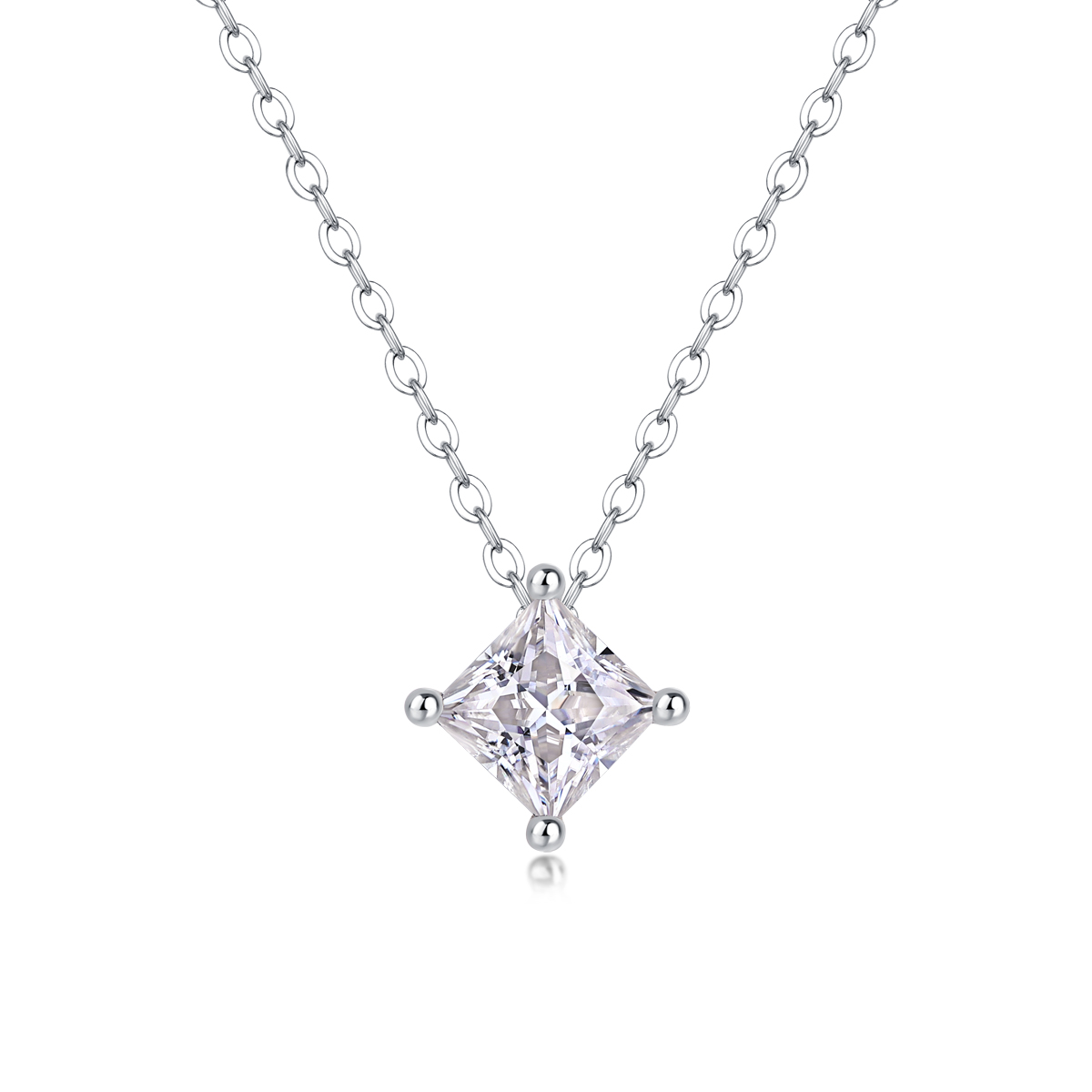
Check whether the clasp moved or opened
Look at the necklace on a plain surface with the clasp fastened as intended. Locate the opening mechanism, the ring it closes around, and any extender. When a secure clasp comes to the front, the necklace has changed position on the wearer. If the mechanism fails to close, a connecting ring appears separated, or the necklace became longer because a connection slipped, you have a different issue. Put the piece away and ask the seller or a jeweler to examine it before wearing it again.
Now check the distinction between the clasp itself and the end of the extender. A decorative tag at the end of a loose tail can swing forward while the actual closure stays near the nape. Take a quick photo before adjusting anything. If you show a repairer a picture of the little tag beside the pendant, they will want to know where the closed clasp was at that moment. Look along the chain until you locate it rather than assuming every visible piece of hardware followed the same path.
On a necklace with decorative links or several connection points, confirm which ring the clasp was designed to use. A ring that looks convenient may be part of the decoration. Follow the seller’s fitting instructions and use the designated positions. If the necklace feels too long at every intended position, record the length you want and ask about a proper alteration. Fastening onto a fine decorative link makes it harder to interpret what is moving and may put pressure on the wrong element.
Watch the pendant and chain separately
A pendant that slides on a chain can stay near the lowest point even while the chain moves through its bail. Look at the necklace in the mirror with the pendant centered. Note the position of the closure, then wear the necklace through an ordinary part of your day. If the pendant remains in front while the clasp approaches it, some chain has likely moved relative to the pendant. The photograph can look as if the pendant dragged the clasp down. Looking at the chain and bail separately suggests a better question.
A pendant attached to the chain at both sides behaves differently. If the whole necklace turns, the pendant can shift off center with the closure. Start with the two sides resting evenly before observing it. If one side catches on a high collar or under a bag strap, the pendant may sit at an angle while the clasp is still some distance from the front. Compare where the closure and the pendant started and finished. A single photo taken after you recenter the stone loses that information.
If you wear two necklaces, try each by itself before changing either one. A second chain can lie over the first near the shoulder, especially if you pull on a sweater after fastening both. Once they travel together, it is difficult to tell which one moved first. Test the shorter necklace alone with the same top. Then repeat with the longer one alone. If neither presents the problem individually, you can focus on the way the pair crosses rather than commissioning a repair to a sound clasp.
Run a simple wear comparison
Choose a morning when you can notice the necklace a few times without it becoming a project. Fasten it at the usual ring, position the clasp at the nape and take a reference photo or sketch. Keep the outfit, pendant and length unchanged for the first comparison. Check it after sitting at your desk and again after putting on or removing your jacket. Write down the first activity after which you find the clasp somewhere unexpected. You do not need an exact timestamp or a numerical rotation angle.
Make the second comparison with one small change. If the jacket seems to be involved, wear the necklace with the same shirt and put the jacket on before fastening it. If several strands were involved, start with one. If the extender was catching in the collar, try another intended clasp position only if it is comfortable. Record the result in plain language, such as “tag swung forward after coat came off, clasp still behind left shoulder.” That observation points to the loose tail rather than the entire necklace rotating.
One trial will not establish a mechanical cause. You are looking for a repeatable situation that matters to your daily wear. Turning to speak to someone, moving hair away from the neck or taking a shoulder bag off can change the position even when the necklace is undamaged. A necklace that needs occasional recentering may suit you perfectly. One that requires an adjustment every few minutes is worth discussing with the seller while size or style exchanges are still an option.
Look at the extender in both positions
An extender can leave very different amounts of loose chain depending on the ring used. In one position the tail may hang freely down the back; in another, only a small tag remains. Each position also changes the necklace length in front, so switching holes is not a clean test of tail weight alone. Use it to find a working arrangement first. Then show the jeweler both positions if you need a different length with less chain left hanging.
Consider a wearer who likes where the pendant falls at the shortest setting but repeatedly feels the long tail inside a blouse collar. At the longest setting the tail nearly disappears, yet the stone sits too low. The request to take to a jeweler is very specific: keep the preferred wearable length and assess an arrangement with less free tail. It is more useful than saying “stop the clasp moving,” and it allows the jeweler to explain which length options a permanent alteration would remove.
Avoid improvised counterweights, adhesive near the closure or bending links to keep them in place. An added charm can introduce a new contact point without solving the movement you observed. If you like the idea of a decorative weight at the back, ask a jeweler whether it suits this chain and what it will look like at each wearing position. Test a comparable sample if available. Changing the design to hide a small clasp can leave you with a larger piece of hardware in view instead.
Decide what you want a jeweler to change
Bring the necklace as worn, including its normal pendant, and show the photo from before you straightened it. State whether your priority is to keep the stone centered, keep the closure behind the neck, shorten a loose extender or make the hardware less visually intrusive. These goals overlap, but they are different jobs. A discreet clasp that occasionally comes forward may solve the appearance issue for one person while doing little for another who dislikes feeling it against the collarbone.
Ask about the trade-offs before approving a change. A fixed pendant may alter how easily you can swap chains. Removing an extender may eliminate a length useful with other shirts. A different clasp might be harder to operate with one hand or too large to pass through an existing bail. If you are choosing a new piece anyway, compare necklace designs with the closure and extender visible, and try fastening a sample yourself. A beautiful piece that is awkward to put on tends to spend a lot of time in its box.
Frequently asked questions
Is a clasp that comes to the front a sign the necklace is faulty?
Position alone does not establish a fault. Look for a closure that fails to shut, a connection that seems open, a new kink or another change in condition. If those are present, stop wearing the piece until inspected. If the closed necklace simply rotates, observe the fit and movement before deciding whether it needs work.
Would a heavier pendant keep the clasp behind my neck?
It may change how the necklace hangs, but it cannot guarantee where the clasp will stay. With a sliding pendant, the chain may still move through the bail while the stone rests at the front. Have a jeweler assess suitability before adding weight to a fine or unfamiliar chain.
Why does it happen with one shirt and not another?
The collar may touch a chain, catch an extender or move the whole necklace when you put the shirt on or take it off. Compare the necklace with a smooth, open neckline and with the shirt that gives you trouble. Check where the fabric first touches the jewelry during an ordinary movement.
Can a necklace separator solve the problem?
A separator changes how several strands fasten and can add hardware at the back. If you are considering one, try the necklaces individually first and then together. Check the connector’s size, weight, compatible fastenings and effect on overall length. It is a potential arrangement for layers rather than a guaranteed fix for rotation.
Should I shorten the chain if the clasp keeps moving?
Try the available intended length adjustments and note which one looks and feels best. Shortening changes the pendant position as well as the fit. If the preferred position works but leaves an irritating tail, describe those two observations separately. A jeweler can then assess the most appropriate modification for that chain.
What should I photograph for a seller?
Take one picture with the necklace resting as intended and a second when the issue occurs, before touching the pendant or clasp. Include a close view of the closed hardware off the neck. State which adjustment ring you used and whether another necklace or a particular collar was involved. Those details make remote advice much more useful.